
Uncategorized

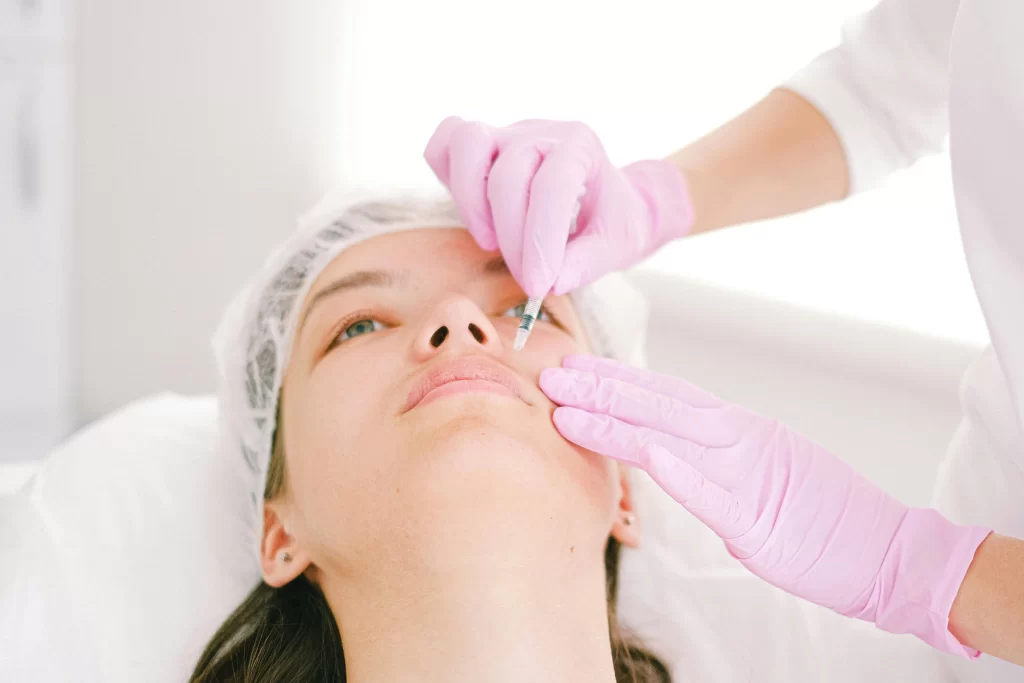
Does Liquid Rhinoplasty Make Your Nose Bigger? Here’s What You Need to Know

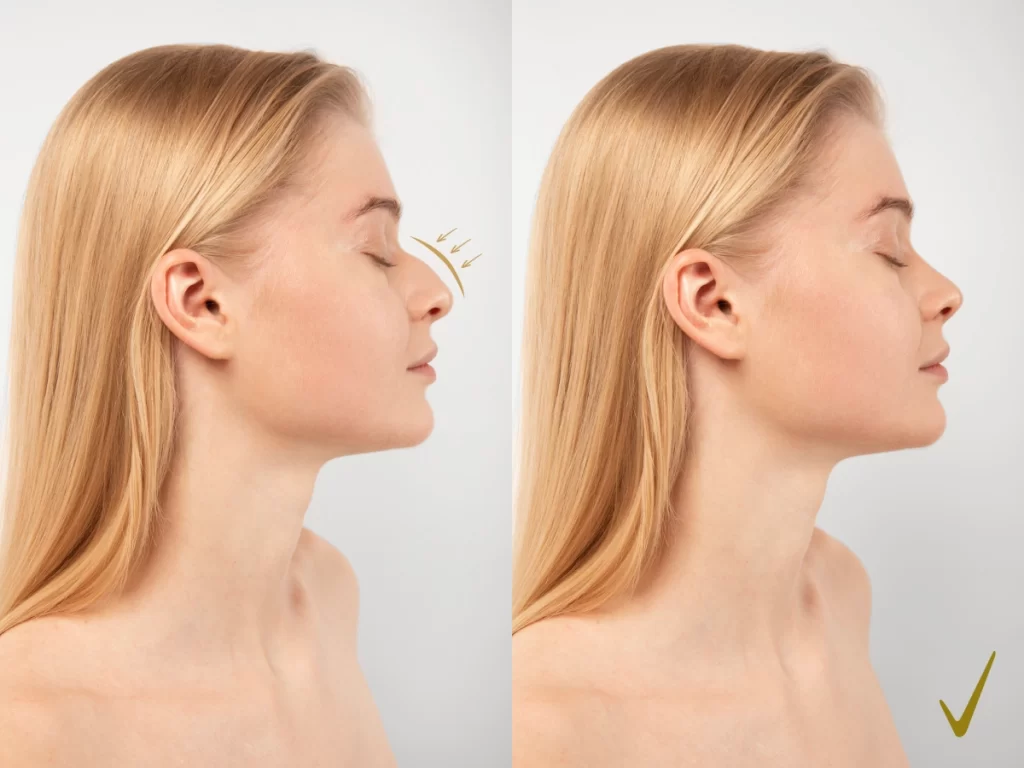
When it comes to liquid rhinoplasty, one of the most common questions people ask is: Does it make your nose bigger? While the answer may seem counterintuitive, the short answer is yes—volumizing and adding filler to the nose can make it appear slightly larger. But here’s the interesting part: even though the filler makes the nose physically bigger, it doesn’t necessarily mean it looks larger. In fact, liquid rhinoplasty can actually make the nose appear smaller by balancing the overall proportions of the face. In this blog, we will dive into the specifics of liquid rhinoplasty, explain how adding volume affects the size of the nose, and discuss how this technique can be used to improve facial harmony and proportions. What is Liquid Rhinoplasty? Liquid rhinoplasty, sometimes referred to as a non-surgical nose job, is a procedure where dermal fillers are injected into the nose to reshape and mold it. Unlike traditional rhinoplasty, which involves surgery to remove or reposition cartilage and bone, liquid rhinoplasty uses hyaluronic acid-based fillers to add volume to specific areas of the nose. This technique is primarily used to smooth out bumps, enhance the nose’s contour, correct asymmetry, and refine the nasal tip, all without the need for surgery. Liquid rhinoplasty is a temporary solution, with results lasting anywhere from 6 to 12 months, depending on the filler used. Does Liquid Rhinoplasty Make Your Nose Bigger? Yes, adding fillers to the nose technically makes it larger. However, the process isn’t about increasing the overall size of the nose. Instead, it’s about adding volume to areas of the nose that need it—such as a dip or a dorsal hump—in order to create a more balanced, harmonious appearance. Here’s why it can appear larger, but actually looks smaller: Filling in Depressions : When a dorsal hump or dip is present along the bridge of the nose, it creates an asymmetrical or uneven profile. By injecting filler into these areas, the nose becomes fuller, and the irregularities are smoothed out. While this may technically make the nose bigger, the goal is to balance the proportions, making the nose appear more in harmony with the rest of the face. Creating a Balanced Profile : Liquid rhinoplasty reshapes the nose without physically reducing the size of the nose. By molding the filler into specific areas, the nose’s overall shape is refined. For example, filling in the nasal bridge to smooth out a hump may make the nose slightly larger, but it gives the nose a more defined and balanced profile, which can make the nose appear smaller in the context of the face. Lifting the Nasal Tip : As we age, the nasal tip can begin to droop. Liquid rhinoplasty can help lift and shape the tip, making the nose appear more youthful and in proportion with the rest of the face. While adding volume in this area can make the tip look larger, it often improves the overall facial harmony, making the nose appear smaller relative to the face. Improving Nasal Symmetry : Often, a person’s nose might look larger on one side due to asymmetry. Liquid rhinoplasty can correct these minor asymmetries by adding filler to certain areas, making the nose more symmetrical. The result is a nose that appears more balanced and aesthetically pleasing, which can make it seem smaller and more proportionate to the face. How Liquid Rhinoplasty Can Make Your Nose Look Smaller While adding volume to the nose does technically make it bigger, the overall result can make the nose look smaller in the context of the face. Here’s how: Improved Proportions and Balance : The key to making a nose appear smaller with liquid rhinoplasty lies in achieving balance. By sculpting and reshaping the nose with fillers, it’s possible to restore symmetry and create a smoother contour. A more balanced nose draws less attention to itself, creating a harmonious look that doesn’t overwhelm the face. This makes the nose appear smaller in comparison to the overall facial features. Refining the Profile : A well-proportioned nose that complements the face will automatically appear smaller, even if the actual size is technically a bit larger. By eliminating bumps and creating a straighter nasal bridge, liquid rhinoplasty can redefine the nose and make it look more contoured. This can give the illusion of a smaller nose because it no longer has distracting irregularities. Creating a Sharper Tip : If your nose has a rounded or bulbous tip, liquid rhinoplasty can add volume and definition to shape the tip, making it appear more elevated and sharp. A more defined tip can lead to a more proportionate nose that looks smaller relative to the face. When Should You Consider Liquid Rhinoplasty? Liquid rhinoplasty is an excellent option for individuals who are looking for subtle changes without committing to surgery. Here are some reasons to consider this procedure: Smooth out bumps along the bridge of the nose Lift or define the nasal tip Balance asymmetry in the nose Test out rhinoplasty results before opting for surgery Avoid the downtime of surgical rhinoplasty It’s a great option if you’re looking for a temporary enhancement or want to visualize how the results might look before opting for a full rhinoplasty procedure. Contact Dr. Victoria Givens Today If you’re interested in liquid rhinoplasty or want to learn more about how it can improve the appearance of your nose, contact Dr. Victoria Givens today to schedule a consultation. With years of experience and expertise in facial aesthetics, Dr. Givens can help you decide if liquid rhinoplasty is the right solution for your needs. To learn more about the procedure, visit our rhinoplasty webpage or explore our rhinoplasty gallery to view real patient transformations. Schedule a Consultation

Does Liquid Rhinoplasty Make Your Nose Bigger? Here’s What You Need to Know Read More »

The Truth About Scarless Nose Surgery: Why Open Rhinoplasty is the BEST Option

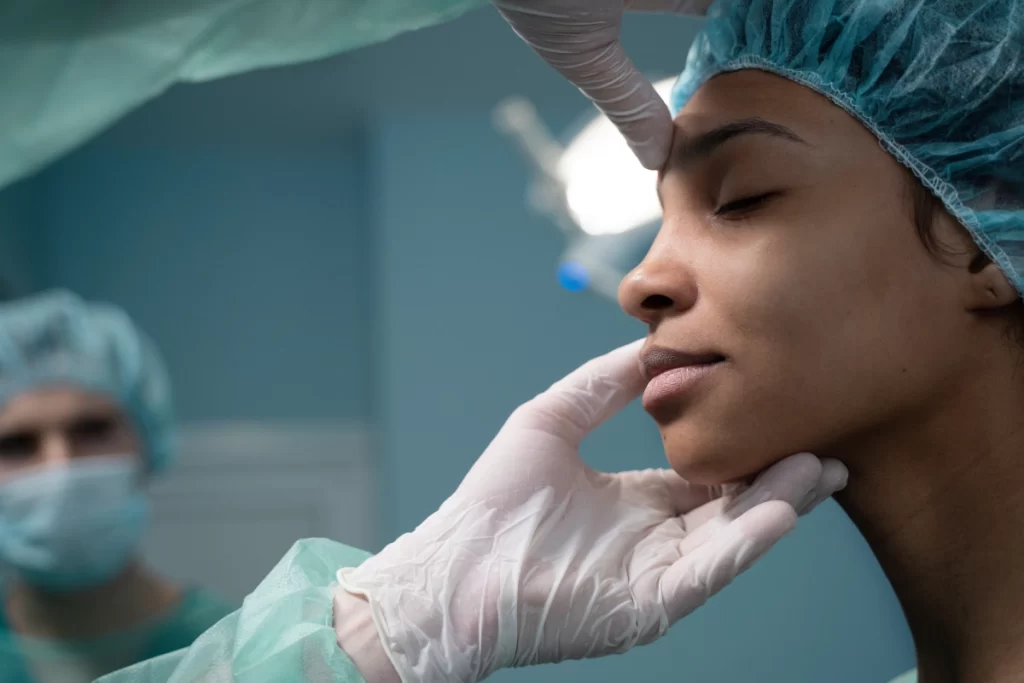
When it comes to rhinoplasty, many people search for scarless nose surgery to ensure they achieve a refined and natural look without noticeable marks or scars. While the term “scarless” may sound appealing, it’s important to understand that there is no truly “scarless” rhinoplasty. However, there is a technique that can result in a scar that is nearly invisible while offering the most precise, reliable results — and that is open rhinoplasty. At first glance, the idea of an incision on the outside of the nose might sound counterintuitive for those concerned about scarring. However, the open rhinoplasty approach provides unparalleled visibility and control over the structures of the nose, resulting in stunning, long-lasting results that heal beautifully. Here’s why open rhinoplasty is the best choice for many patients looking to enhance their nose with minimal scarring. Understanding Open Rhinoplasty and Scarless Nose Surgery Open rhinoplasty refers to the surgical technique where a small incision is made across the columella, the strip of skin between the nostrils. This approach allows the surgeon to lift the skin and soft tissues of the nose, providing a direct view and access to the internal structures. Unlike closed rhinoplasty, where the incisions are hidden inside the nostrils, open rhinoplasty gives the surgeon enhanced visibility and the ability to perform more precise changes. While it’s often referred to as scarless nose surgery, it’s important to note that a small scar is left at the base of the columella. However, when performed by an experienced surgeon like Dr. Victoria Givens, this scar is nearly invisible. Over time, the incision heals so well that it blends seamlessly with the natural contours of the nose, leaving behind no visible trace. Most patients find that their results are not only aesthetically improved but also come with a scar that is imperceptible to the naked eye. Why Open Rhinoplasty is the Best Technique for Precise, Reliable Results One of the key advantages of open rhinoplasty is the complete visibility it offers the surgeon. With open rhinoplasty, the skin and soft tissue are carefully lifted, allowing full access to the nose’s underlying structures. This access makes it easier to modify the shape of the nose, particularly when it comes to refining the nasal tip, adjusting the bridge, or addressing more complex nasal issues. Enhanced Visibility for Tip Refinement: Open rhinoplasty is especially beneficial for patients looking to refine the nasal tip. The open approach allows for more accurate sculpting of the cartilage and better control over the overall shape. Whether you’re looking to refine a bulbous tip, correct asymmetry, or achieve a more defined tip, open rhinoplasty provides the precision necessary to achieve the most natural-looking results. Better Structural Adjustments: Open rhinoplasty allows for adjustments to be made to the nasal bones and cartilage with great precision. For individuals who require significant modifications, such as removing a dorsal hump or straightening the nasal bridge, the open approach gives the surgeon the ability to make these changes in full view, ensuring balanced and harmonious results. Ideal for Complex Cases: In some cases, patients have underlying structural issues or previous nasal surgeries that require more thorough revisions. Open rhinoplasty is ideal for addressing these more complex cases. Whether the goal is to correct breathing issues, improve symmetry, or refine the appearance, the open technique allows for a higher degree of control and a more predictable outcome. Improved Long-Term Results: The precision offered by open rhinoplasty often leads to better long-term results. By having complete visibility, the surgeon can make fine adjustments that lead to a more natural, well-balanced nose. With proper healing, the results of open rhinoplasty are often long-lasting, and patients typically experience fewer complications compared to more limited approaches like closed rhinoplasty. The Minimal Scarring You Can Expect While the term scarless nose surgery might imply that no visible scarring occurs, it’s important to emphasize that with open rhinoplasty, the scar is nearly invisible. The incision made in the columella is small and strategically placed, allowing it to blend in seamlessly with the natural contours of the nose. Over time, this scar fades to the point where it is imperceptible and becomes an inconspicuous part of the overall nasal structure. Unlike other procedures that may require ongoing scar care or treatments, the open rhinoplasty technique generally results in a scar that is barely noticeable without any additional effort. Dr. Givens’s experience and skill ensure that the scar from open rhinoplasty remains as minimal and discreet as possible. How Open Rhinoplasty Improves Breathing and Aesthetic Outcomes Another significant benefit of open rhinoplasty is the ability to improve both the aesthetics and function of the nose. In many cases, patients who undergo rhinoplasty may also suffer from breathing difficulties due to structural issues within the nose. Open rhinoplasty allows for the correction of both cosmetic concerns and functional problems, such as a deviated septum or nasal valve collapse. By improving both form and function, open rhinoplasty can lead to better overall outcomes for patients, improving their quality of life and self-esteem. What to Expect After Open Rhinoplasty Surgery After open rhinoplasty surgery, patients typically experience some swelling and bruising around the nose and eyes, which will subside over time. While the initial swelling may make the final results difficult to fully appreciate immediately after surgery, the majority of the swelling will subside in the first few weeks. The scar at the base of the columella will begin to heal, and patients will notice that it gradually fades as their nose continues to refine and settle into its new shape. Why Choose Dr. Victoria Givens for Your Rhinoplasty? As a double board-certified facial plastic surgeon and rhinoplasty specialist, Dr. Victoria Givens has years of experience performing open rhinoplasty with exceptional results. If you’re considering scarless nose surgery or open rhinoplasty, Dr. Givens offers a comprehensive consultation to discuss your goals and create a customized surgical plan tailored to your unique facial features. Whether you’re looking for aesthetic improvements or functional corrections, open rhinoplasty offers a precision-focused solution that ensures the best possible outcome. Contact Dr. Victoria Givens for

The Truth About Scarless Nose Surgery: Why Open Rhinoplasty is the BEST Option Read More »

Is the Bridge of Your Nose Too High or Low? Understanding the Nasal Bridge in Rhinoplasty

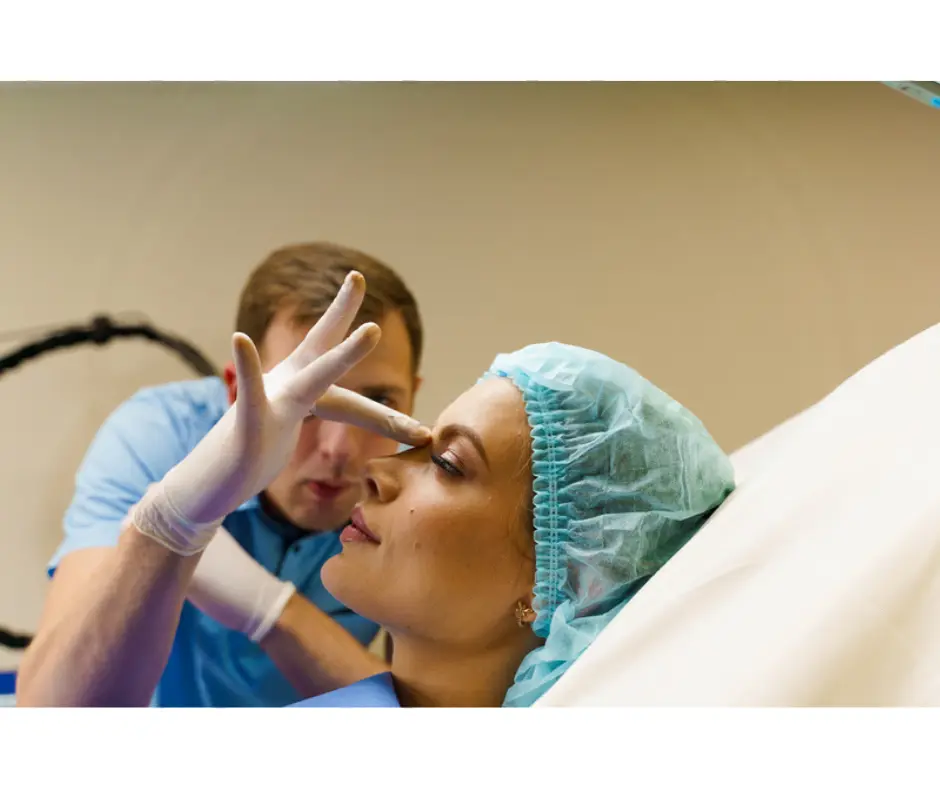
When considering rhinoplasty, one of the most common questions patients ask is whether the bridge of their nose is too high or low. The nose plays a central role in facial harmony, and a well-proportioned bridge can have a significant impact on one’s appearance. For individuals with certain ethnic features, the shape and structure of the nasal bridge often vary. Understanding what makes a “high” or “low” nose bridge is key to choosing the right approach for rhinoplasty. What Defines a High or Low Nasal Bridge? The bridge of the nose refers to the area from the eyes to the tip of the nose. A “high” bridge typically means that the area has more prominence and height, creating a more defined profile. A “low” bridge, on the other hand, is less pronounced, and the nose may appear more flat or less defined. Both characteristics can impact facial symmetry and overall aesthetics, which is why many individuals seek rhinoplasty to correct perceived imbalances. A high nasal bridge is often associated with certain ethnic groups but can appear in individuals from many backgrounds. Understanding the natural diversity in nasal shapes is essential when approaching rhinoplasty for different individuals. Nasal Bridge Characteristics: Defining Features and Variations Noses with certain characteristics are often defined by a more refined bridge, a moderately straight profile, and a narrower or more delicate appearance. However, there is significant variation in nose shapes even within ethnic groups. Some individuals may have broader, more prominent nasal bridges, while others may have slender and delicate shapes. In general, the shape of the nasal bridge is often considered more balanced in width and definition, which is why rhinoplasty procedures are generally subtle. The focus is usually on refinement and enhancement, aiming for a more symmetrical, harmonious nose that complements the individual’s other facial features. Rhinoplasty Goals: Refining the Nose Rhinoplasty tends to focus on achieving balance and enhancing natural beauty. The main goals for rhinoplasty typically include: 1. Refining the Tip:Many noses are characterized by a well-defined tip, but some may seek to refine it further for a sharper or more elegant appearance. A well-shaped nasal tip can significantly contribute to the overall aesthetic of the face. 2. Addressing Bumps or Irregularities on the Bridge:While many noses tend to have a more refined bridge, some individuals may have slight bumps or irregularities that they wish to correct. Rhinoplasty can smooth out these imperfections to create a more balanced profile. 3. Enhancing Facial Harmony:One of the key considerations in rhinoplasty is achieving harmony with the rest of the face. Rhinoplasty may focus on ensuring that the nose is proportionate to the other facial features, maintaining the natural beauty and character of the individual. Is Your Nasal Bridge Too High or Low for You? Whether a high or low nasal bridge is considered “too much” often depends on the individual’s facial features and personal preferences. Some individuals may prefer a higher, more defined bridge to add dimension and prominence, while others may want a softer, more balanced appearance. It’s essential to approach the consultation with an open mind, allowing the facial plastic surgeon to assess the overall facial structure. The goal of rhinoplasty should not be to drastically change the nose but to enhance the natural features, making sure that the bridge is in proportion with the rest of the face. What to Expect in a Rhinoplasty Consultation For those considering rhinoplasty to address a high or low bridge, it’s important to understand that the procedure is tailored to the individual’s specific anatomy. Individuals generally seek more subtle changes, focusing on refinement rather than major alterations. Depending on the desired outcome, the surgeon may use various techniques, such as smoothing out the bridge, narrowing the width, or reshaping the tip, to achieve a balanced and natural look. Rhinoplasty not only enhances the aesthetic qualities of the nose but also helps improve the overall proportions of the face. A well-executed rhinoplasty procedure can turn back the clock, restoring youthful contours and ensuring the nose enhances, rather than detracts from, your natural beauty. Schedule a Consultation with Dr. Victoria Givens If you’re wondering whether the bridge of your nose is too high or too low, rhinoplasty can offer a solution that enhances your facial balance and proportions. Dr. Victoria Givens, a double-board certified facial plastic surgeon and rhinoplasty specialist, is committed to helping patients achieve their desired aesthetic goals with the highest level of care. If you’re ready to discuss your options and explore how rhinoplasty can enhance your appearance, schedule your consultation with Dr. Givens today. Together, you’ll create a personalized plan that aligns with your goals and enhances your natural beauty. To learn more about the procedure, visit our rhinoplasty webpage or explore our rhinoplasty gallery to view real patient transformations. Schedule a Consultation

Is the Bridge of Your Nose Too High or Low? Understanding the Nasal Bridge in Rhinoplasty Read More »

The Aging Nose: How the Nose Ages Over Time and How Rhinoplasty Can Help

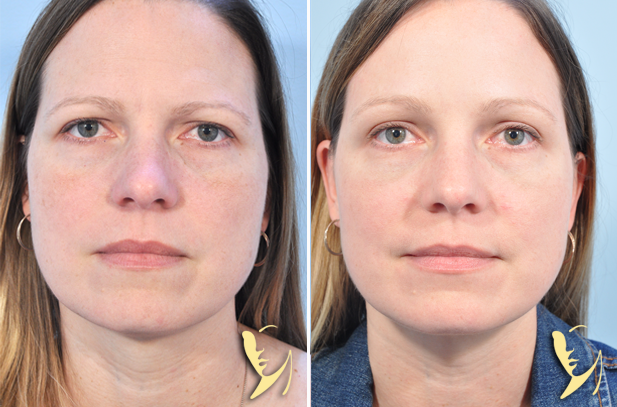
As we age, the changes to our appearance are inevitable. The brow may begin to sag, eyelids may develop bags, and jowls can form. The neck also starts to lose its youthful firmness and definition. However, one often overlooked area of aging is the nose. While we typically focus on the effects of aging on the skin and soft tissue of the face, the nose, too, undergoes changes that can alter its appearance, particularly as it continues to support the weight of the aging face. The nasal tip and overall structure of the nose are particularly susceptible to the effects of time. In this blog, we’ll explore how the nose changes as we age, the impact of these changes on the facial profile, and how rhinoplasty can be the solution to restore youthful contours and bring back balance to the face. How Does the Nose Age Over Time? The aging process affects the nose in a unique way. While other areas of the face may show signs of sagging or volume loss, the nose undergoes both structural and skin changes that can significantly impact its appearance. Nasal Tip Drooping: One of the most noticeable changes in the nose with age is the drooping of the nasal tip. As the skin and cartilage lose elasticity over time, the tip of the nose tends to fall, causing the once-defined, youthful appearance of the nose to become less pronounced. This drooping can give the appearance of a longer nose, as the tip appears to tilt downward, disrupting the natural balance between the nose and other facial features. This is particularly noticeable in individuals who once had a sharp, defined nasal tip. Loss of Definition in the Nasal Bridge: Along with the tip, the nasal bridge can also lose its sharpness over time. As the skin loses collagen and the cartilage weakens, the once straight, well-defined bridge can become less prominent. In some cases, this can result in the appearance of a “saddle nose”—a sunken, less defined bridge that can make the nose appear disproportionately large or out of balance with the rest of the face. Thinning Skin and Increased Visibility of the Nasal Structures: As skin ages, it becomes thinner and loses its firmness. In the nose, this thinning skin can make the underlying nasal cartilage more prominent and visible, especially in individuals with thinner skin. As the skin loses volume and elasticity, the bones and cartilage that shape the nose may begin to show more, leading to visible irregularities or a less aesthetically pleasing appearance. Nasal Volume Loss: As we age, we also lose volume in the face. While the skin thins and the facial muscles lose tone, the nose can begin to take on a more “hollowed” appearance, particularly around the nasal tip and bridge. This loss of volume can accentuate imperfections, making the nose look less youthful and balanced in proportion to the rest of the face. How Rhinoplasty Can Fix These Changes While we can’t stop the natural aging process, rhinoplasty offers a powerful solution to address the changes that affect the nose as we age. Surgical rhinoplasty is the most effective way to restore the nose’s youthful contours and ensure that it complements the other features of the face. Here’s how rhinoplasty can help: Correcting a Droopy Nasal Tip: One of the most common issues that arises as the nose ages is a droopy nasal tip. Rhinoplasty can be used to lift and refine the nasal tip, creating a more youthful and defined appearance. During the procedure, the surgeon can reshape the cartilage and tissue supporting the tip, repositioning it for a more natural, lifted look. By enhancing the projection of the tip, rhinoplasty can reverse the sagging that occurs with age, restoring facial harmony and confidence. Rebuilding the Nasal Bridge: For individuals experiencing a sunken or less defined nasal bridge due to aging, rhinoplasty can provide a solution by adding definition and structure back to the nose. Cartilage grafts can be used to rebuild the nasal bridge and restore its smooth, straight contour. This helps to address a saddle nose deformity and bring balance to the face. Whether the hump is caused by age-related changes or previous nasal trauma, rhinoplasty can help create a more youthful, natural profile. Restoring Volume and Contour: For those experiencing volume loss in the nose, rhinoplasty can help restore fullness and definition. By adding or repositioning cartilage, the nose can regain its youthful volume and proportions. Additionally, the surgeon can refine the nasal contour, ensuring that the nose looks balanced and in harmony with the rest of the face. This aspect of rhinoplasty can improve both aesthetic appeal and function, creating a more youthful, refreshed appearance. Enhancing Symmetry: As the nose ages, asymmetry often becomes more noticeable, with one side of the nose appearing more collapsed or imbalanced than the other. Rhinoplasty is an ideal solution for restoring symmetry to the nose, especially when it’s affecting the overall balance of the face. By adjusting the cartilage and bone structure, rhinoplasty can ensure both sides of the nose are in proper alignment, improving both the profile and front view of the face. When Should You Consider Rhinoplasty for Aging Changes? While many people seek rhinoplasty for cosmetic reasons related to the appearance of their nose, those experiencing the aging changes discussed above may find rhinoplasty to be a great solution to rejuvenate their look. If you’ve noticed a droopy tip, reduced definition in the nasal bridge, or overall sagging and imbalance in the nose, it may be time to consider rhinoplasty. Rhinoplasty not only enhances the aesthetic qualities of the nose but also helps improve the overall proportions of the face. A well-executed rhinoplasty procedure can turn back the clock, restoring youthful contours and ensuring the nose enhances, rather than detracts from, your natural beauty. Conclusion The nose, like other features of the face, is susceptible to the natural aging process. Over time, the drooping nasal tip, loss of definition in the

The Aging Nose: How the Nose Ages Over Time and How Rhinoplasty Can Help Read More »

Is Your Nose Changing? – Early Signs of Saddle Nose

When considering rhinoplasty, many patients are familiar with common concerns like a hump or a bulbous tip. However, one less commonly discussed issue is a saddle nose. This condition, characterized by a noticeable depression along the nasal bridge, can have a significant impact on both the appearance and function of the nose. Whether congenital or the result of trauma, disease, or previous surgeries, a saddle nose can be a source of self-consciousness for many individuals. If you’ve noticed that the middle of your nose appears sunken or flattened, you may be dealing with a saddle nose. Fortunately, a saddle nose deformity can often be corrected through rhinoplasty, allowing patients to restore their facial harmony and improve both the function and aesthetics of their nose. Here’s what you need to know about a saddle nose, including its causes, treatment options, and how rhinoplasty can help you achieve a more balanced and natural-looking profile. What is A Saddle Nose? A saddle nose is a deformity where the central portion of the nose, particularly the nasal bridge, appears collapsed or depressed. This results in a noticeable dip or “saddle” shape along the bridge of the nose, which can make the nose appear crooked or flattened. In severe cases, the depression is so deep that it can affect the profile of the entire face. While it can vary in severity, the hallmark of a saddle nose is the lack of a smooth, straight line along the nasal bridge. Instead, the bridge may show a noticeable indent or collapse, leading to an unbalanced appearance. This condition can affect not only the appearance but also the function of the nose, potentially causing breathing problems. Causes of A Saddle Nose There are several potential causes for a saddle nose, and understanding the root cause is crucial for determining the appropriate treatment. Some of the most common causes include: 1. Trauma or Injury: Physical injury to the nose is one of the most common causes of a saddle nose. A broken nose or a blow to the face can damage the nasal bones and cartilage, causing them to collapse. In some cases, the nose may heal with a permanent indentation or “saddle” shape if the nasal structures aren’t properly realigned. 2. Rhinoplasty Complications While rhinoplasty can improve the appearance of the nose, complications during or after surgery can lead to a saddle nose deformity. This is often due to the over-reduction of the nasal structures, especially if too much cartilage is removed. Over time, the lack of support can cause the nose to collapse, resulting in a saddle-shaped appearance. 3. Congenital Conditions Some individuals are born with a saddle nose due to congenital malformations of the nasal structures. In these cases, the condition may be present from birth and can range from mild to severe. The shape and appearance of the nose can be corrected with rhinoplasty to enhance facial balance. 4. Medical Conditions Certain medical conditions can affect the cartilage of the nose, leading to the collapse of the nasal bridge. These conditions cause inflammation and damage to the nasal tissue, resulting in a saddle nose deformity. 5. Chronic Use of Nasal Decongestants Long-term use of nasal decongestant sprays can lead to damage of the nasal mucosa and cartilage, sometimes resulting in the collapse of the nasal structures and the development of a saddle nose over time. Symptoms of A Saddle Nose The primary symptom of a saddle nose is the noticeable depression or collapse along the nasal bridge. However, there are other symptoms associated with this condition, including: Breathing difficulties: The collapsed nasal structure can obstruct airflow, leading to breathing problems, especially when the collapse affects the nasal septum. Cosmetic concerns: The depression in the nasal bridge can lead to aesthetic concerns and may make individuals feel self-conscious about their appearance. Nasal asymmetry: A saddle nose can result in an uneven appearance, with one side of the nose appearing more collapsed than the other. How Rhinoplasty Can Correct A Saddle Nose Rhinoplasty is the most effective way to correct a saddle nose and restore the natural contour of the nose. This surgical procedure can rebuild the nasal bridge, correct the collapsed area, and provide a smoother, more balanced profile. Here’s how rhinoplasty works to address the issues caused by a saddle nose: 1. Rebuilding the Nasal Bridge In most cases, the first step in correcting a saddle nose is rebuilding the nasal bridge. This is done using cartilage grafts, which can be harvested from the patient’s own body, such as from the ear or rib, or from synthetic materials. These grafts are carefully placed to reconstruct the bridge, creating a smooth and natural-looking profile. 2. Septoplasty If a saddle nose is causing breathing issues due to a deviated septum or obstruction, septoplasty may be performed during the same procedure. Septoplasty involves straightening the nasal septum to improve airflow and reduce any nasal obstruction caused by the collapsed structures. 3. Tip Refinement In many cases, a saddle nose may also affect the tip of the nose, causing it to look droopy or disproportionate. Rhinoplasty allows for the refinement of the nasal tip, improving its definition and ensuring that it complements the newly reconstructed nasal bridge. 4. Nasal Symmetry A saddle nose often causes one side of the nose to appear more collapsed than the other. Rhinoplasty can restore symmetry by ensuring that both sides of the nose are properly aligned and balanced. Benefits of Rhinoplasty for A Saddle Nose Undergoing rhinoplasty to correct a saddle nose has several benefits: Improved appearance: The most obvious benefit is the aesthetic improvement in the nose’s shape and profile. By reconstructing the nasal bridge and improving the overall symmetry, rhinoplasty enhances the facial harmony and boosts self-confidence. Improved breathing: For those suffering from breathing problems due to a collapsed nasal structure, rhinoplasty can correct the functional issues, leading to improved airflow and easier breathing. Long-lasting results: Rhinoplasty provides long-lasting results, with most patients experiencing permanent improvements in both the appearance and function of their nose. What

Is Your Nose Changing? – Early Signs of Saddle Nose Read More »

Saddle Nose And Droopy Tip: Why Rhinoplasty May Lead To This Issue

A saddle nose deformity can significantly impact both the appearance and function of the nose. Characterized by a noticeable depression along the nasal bridge, a saddle nose may result from various causes, including trauma, previous nasal surgeries, or congenital factors. Fortunately, rhinoplasty, a surgical procedure designed to reshape the nose, is the most effective way to correct a saddle nose and restore a natural, balanced profile. If you’re struggling with a collapsed nasal bridge, irregular shape, or breathing difficulties, rhinoplasty can offer a transformative solution. In this blog, we will explore how rhinoplasty works to address the issues caused by a saddle nose, including rebuilding the nasal bridge, refining the tip, improving nasal symmetry, and resolving breathing problems. Let’s dive into the details of how this versatile procedure can help restore facial harmony. Rebuilding the Nasal Bridge One of the most defining features of a saddle nose is the collapse of the nasal bridge. This creates a visible indentation that disrupts the smooth, straight profile of the nose. The first step in correcting a saddle nose through rhinoplasty is rebuilding the nasal bridge to restore its structure and appearance. How It Works: Rhinoplasty addresses the collapsed nasal bridge by using cartilage grafts. These grafts are materials that can be sourced either from the patient’s own body or from synthetic materials. Cartilage grafts are often taken from areas like the ear or rib, as these regions provide a sufficient amount of cartilage that can be safely used to reconstruct the nasal bridge. If the patient’s own cartilage isn’t an option, synthetic materials or implants can also be used. The Process: Once the graft material is carefully chosen, the grafts are placed into the collapsed area of the nasal bridge. The grafts are strategically positioned to create a smooth, natural-looking profile, addressing any dips or irregularities caused by the saddle nose. The grafts are then sutured into place, and the skin and soft tissue are carefully repositioned over the newly reconstructed bridge. The Result: The outcome of this step is a newly restored bridge that redefines the nose and creates a smoother, more proportionate appearance. A well-reconstructed nasal bridge improves the overall aesthetic of the face and enhances facial symmetry. Septoplasty In many cases, a saddle nose not only affects the nose’s appearance but also causes functional issues, particularly related to breathing. If the collapse of the nasal structures causes an obstruction or deviates the septum, it can lead to difficulties in airflow, making it harder to breathe through the nose. How It Works: Rhinoplasty can be combined with septoplasty, a procedure designed to straighten the nasal septum and open up the airways. The nasal septum is the wall that divides the two sides of the nose. If it becomes deviated, it can obstruct one or both nasal passages, leading to breathing problems. During the rhinoplasty procedure, if the septum is contributing to breathing difficulties, a septoplasty can be performed. This involves repositioning and straightening the septum to improve airflow. By correcting this underlying structural issue, the patient can experience improved nasal function in addition to the aesthetic benefits of the rhinoplasty. The Result: With septoplasty, not only does the appearance of the nose improve, but the patient also enjoys better nasal function, leading to easier breathing and a more comfortable, natural experience. This combination of aesthetic and functional enhancement is one of the reasons why rhinoplasty for a saddle nose is such a comprehensive and transformative procedure. Tip Refinement In addition to rebuilding the nasal bridge, a saddle nose often affects the tip of the nose. A collapsed or depressed nasal bridge can cause the nasal tip to look droopy or disproportionate. This can further disrupt the balance and symmetry of the face, leaving the nose looking less youthful or more flattened. How It Works: Tip refinement is an essential component of rhinoplasty when addressing a saddle nose. The focus is on reshaping and refining the tip of the nose to restore its definition and position. Tip refinement may involve sculpting the cartilage of the nasal tip to create a more lifted and defined appearance. In some cases, cartilage grafts may be used to add support to the tip or adjust the existing nasal cartilage to ensure that the tip is properly positioned in relation to the newly reconstructed bridge. This process helps create a natural, harmonious appearance that complements the rest of the facial features. The Result: The result of tip refinement is a more aesthetically pleasing nasal tip that enhances the overall profile of the face. Whether the goal is to create a sharper, more defined tip or a more youthful, lifted appearance, tip refinement allows for greater precision in achieving a balanced look. Nasal Symmetry A key feature of a saddle nose is that it often causes one side of the nose to appear more collapsed than the other. This asymmetry can make the nose look uneven, which, in turn, affects the balance and symmetry of the entire face. How It Works: Rhinoplasty can restore nasal symmetry by carefully adjusting the structural elements of the nose. During the procedure, both sides of the nose are assessed to identify areas where the collapse or depression may be more pronounced. Using cartilage grafts or other surgical techniques, these discrepancies are addressed and a balanced appearance is restored. The process of achieving symmetry involves not only addressing the collapsed areas but also making minor adjustments to the underlying nasal structures to ensure that the nose appears proportional. This attention to detail helps ensure that the nose complements the rest of the facial features, creating a natural, aesthetically pleasing outcome. The Result: Restoring nasal symmetry results in a more balanced and harmonious appearance, as the nose becomes proportional to the other features of the face. A symmetrical nose enhances the overall facial structure, boosting self-confidence and improving facial aesthetics. Why Choose Dr. Victoria Givens for Your Saddle Nose Rhinoplasty? Dr. Victoria Givens is a double board-certified facial plastic surgeon and rhinoplasty specialist in Austin. With years of experience in performing complex rhinoplasty procedures, including those for correcting a saddle nose,

Saddle Nose And Droopy Tip: Why Rhinoplasty May Lead To This Issue Read More »

What Type Of Nose Do I Have? Understanding Your Unique Features

When you look in the mirror, do you ever wonder what type of nose you have? The shape of your nose plays a significant role in determining the overall harmony and balance of your face. With so many variations in nose shape and size across different ethnicities, it’s no surprise that people are increasingly seeking rhinoplasty to enhance their appearance. If you’ve ever wondered about your unique nose type and how it can be improved, this blog post will guide you through the different types of noses, help you understand what makes your nose stand out, and show you how rhinoplasty can address specific features for a more balanced look. Types of Noses The human nose comes in a variety of shapes, sizes, and structures. Here’s a breakdown of the different nose types commonly seen across various ethnic groups, each with distinct characteristics: 1. Asian Noses Asian noses are often characterized by a lower bridge and a wider base. The nasal tip may be less defined, and the nostrils can be rounder or more flared. Because of these features, many individuals with Asian noses choose rhinoplasty to create a more prominent bridge and a more sculpted tip, achieving a more refined, balanced look. Cultural perspectives on beauty within Asian communities vary, but many patients seek rhinoplasty to enhance facial harmony without losing their ethnic identity. It’s important for patients to convey their desired goals to the surgeon, ensuring that the result complements the rest of their facial features while maintaining their unique ethnic traits. Rhinoplasty Goals for Asian Noses Elevating and defining the nasal bridge. Refining the nasal tip for a more youthful appearance. Narrowing the nostrils for improved symmetry. Maintaining ethnic integrity by avoiding a “Westernized” look. 2. African American Noses African American noses typically have a broad base and wider nostrils, with a shorter or flatter bridge. These unique features contribute to the individual’s distinct beauty. Rhinoplasty for African American patients often focuses on narrowing the nostrils, refining the nasal tip, and creating more definition in the bridge. However, it’s essential to preserve the natural character and ethnic features of the nose, as many African American individuals prefer a more natural outcome that complements their heritage. There is often a desire to enhance the appearance without altering the essence of the face, and this calls for a tailored approach to rhinoplasty. By working with a surgeon who understands these nuances, patients can achieve a balanced, beautiful result that looks both natural and harmonious. Rhinoplasty Goals for African American Noses Narrowing the nostrils and refining the tip. Defining the bridge while maintaining the natural proportions. Enhancing facial harmony without sacrificing ethnic identity. 3. Greek Noses The Greek nose is often considered the epitome of classical beauty. Characterized by a straight, narrow bridge and a well-defined tip, the Greek nose is often idealized for its symmetry and elegant proportions. Individuals with Greek noses typically have less need for bridge enhancement, but may seek rhinoplasty to address a subtle dorsal hump, refine the tip, or correct minor imperfections. Greek noses represent a standard of beauty that has been celebrated throughout history, with many individuals desiring to maintain these classical features while enhancing their overall facial balance. Rhinoplasty in this case is usually focused on refining the nose without drastically altering its natural structure. Rhinoplasty Goals for Greek Noses Refining the tip for enhanced definition. Minimizing or eliminating any bumps on the nasal bridge. Maintaining symmetry and balance with the rest of the facial features. 4. Hispanic Noses The shape of Hispanic noses can vary greatly, as Latin American cultures include a diverse mix of ethnic backgrounds. Typically, Hispanic noses may have a slightly wider base and a more prominent bridge. However, some individuals may have more delicate features with a narrow bridge and soft tip. Rhinoplasty for Hispanic patients is often customized to their unique features, whether it involves narrowing the nostrils, enhancing the nasal bridge, or improving the tip’s definition. In Hispanic communities, many individuals seek rhinoplasty to improve facial harmony, especially in the context of achieving a more refined profile. However, it is crucial to preserve the cultural identity of the nose and ensure that the result aligns with the patient’s overall facial features. Rhinoplasty Goals for Hispanic Noses Narrowing the nostrils and refining the tip for a more sculpted look. Enhancing the nasal bridge for a more balanced profile. Ensuring that the nose remains proportionate to the rest of the face. 5. European Noses European noses are often characterized by a narrower bridge, a more defined tip, and a moderate or straight profile. There is significant variation within European ethnic groups, ranging from slightly broader noses to more slender, delicate shapes. Rhinoplasty in European patients may focus on refining the tip, narrowing the bridge, or smoothing out any imperfections for a more symmetrical and youthful appearance. Because European noses tend to be more balanced in terms of width and definition, rhinoplasty procedures for this group are generally subtle, aiming for enhancement rather than major reconstruction. Many individuals seek rhinoplasty to achieve a nose that is in proportion with their other facial features while maintaining the natural beauty of their heritage. Rhinoplasty Goals for European Noses Refining the tip for a sharper, more elegant appearance. Addressing any bumps or irregularities on the bridge. Enhancing overall balance and harmony with the facial features. Understanding Your Nose Type Before undergoing rhinoplasty, it’s important to understand what type of nose you have and how it contributes to your overall facial harmony. Self-assessing your nose can help you identify areas that might benefit from improvement. Some questions to ask yourself include: Is the bridge of your nose low or high? Do you have a defined or round nasal tip? Are your nostrils flared or narrow? Is there a bump or irregularity on the bridge? By answering these questions, you’ll begin to understand how your nose interacts with the other features of your face, such as the eyes, mouth, and chin. A nose

What Type Of Nose Do I Have? Understanding Your Unique Features Read More »

Surgical Earlobe Repair: The Step-by-Step Guide to Restoring Your Earlobes

If you’re considering surgical earlobe repair, you’re not alone. Whether due to trauma, aging, or stretched piercings, many people seek this common cosmetic procedure to restore their earlobes’ appearance. This comprehensive guide will walk you through everything you need to know about earlobe repair surgery, from preparation to recovery. Understanding Surgical Earlobe Repair Surgical earlobe repair is a minimally invasive procedure that addresses various earlobe concerns, including tears, stretching, and gauge-related damage. The procedure typically takes 30-60 minutes per ear and can be performed under local anesthesia, making it a convenient option for most patients seeking earlobe fix surgery. Common Reasons for Seeking Treatment People opt for earlobe repair surgery for various reasons: Traumatic tears from accidents or pulled earrings Stretched or enlarged piercing holes Split earlobes from heavy jewelry Correction of previous gauge piercings Age-related thinning and elongation The Surgical Earlobe Repair Process Initial Consultation Before scheduling your earlobe repair surgery, you’ll meet with a board-certified plastic surgeon. They’ll evaluate your earlobes’ condition and discuss your desired outcomes. This is also when you’ll learn about the earlobe repair cost, which typically ranges from $500 to $2,000 per ear, depending on the complexity of the repair. Preparation Your surgeon will mark the earlobes to indicate the planned incision lines. Local anesthesia is administered to ensure your comfort during the surgical earlobe repair procedure. The area is then cleaned and prepped for surgery. The Procedure During earlobe repair procedures, the surgeon follows these steps: Makes precise incisions to remove damaged or extra tissue Reshapes the remaining tissue Carefully aligns the edges Places fine sutures to secure the repair Recovery and Aftercare Recovery from earlobe repair surgery is typically straightforward. Most patients can return to normal activities immediately, though you’ll need to follow specific care instructions: Keep the area clean and dry Apply prescribed ointments or sprays Avoid pulling on or manipulating the repair site Schedule follow-up appointments as recommended Finding the Right Provider When searching for “earlobe repair surgery near me,” consider these factors: Board certification in plastic surgery Experience with earlobe repairs Before and after photos of previous patients Patient reviews and testimonials Proximity to your location for easy follow-up care Understanding the Investment The earlobe repair cost varies depending on several factors: Geographic location Surgeon’s expertise Complexity of the repair Whether one or both ears need treatment Long-Term Results and Maintenance Surgical earlobe repair provides lasting results when performed properly. Most patients can have their ears re-pierced approximately six months after the procedure, though timing varies based on individual healing. Your surgeon will provide specific guidance based on your case. Potential Risks and Complications While surgical earlobe repair is generally safe, it’s important to understand potential risks: Minor scarring Asymmetry Infection Allergic reactions to sutures Incomplete healing Prevention and Future Care After your earlobe fix surgery, consider these tips to maintain your results: Choose lightweight earrings Remove earrings before sleeping Avoid heavy or gauged jewelry Practice good hygiene Address any issues promptly When to Consider Surgical Earlobe Repair You might be a good candidate for surgical earlobe repair if: Your earlobes are torn or stretched Previous piercings have caused deformity You’re unhappy with your earlobes’ appearance You’re in good general health You have realistic expectations Making Your Decision Before proceeding with earlobe repair surgery, consider: Timing of the procedure Recovery period Cost and payment options Expected outcomes Potential need for future procedures Surgical earlobe repair offers a reliable solution for those looking to restore their earlobes’ appearance. With proper care and attention to aftercare instructions, most patients achieve excellent results. If you’re considering this procedure, consult with a qualified surgeon to discuss your specific needs and develop a treatment plan that works for you. Take time to research providers, understand the procedure, and prepare for your recovery to ensure the best possible outcome. Remember that while earlobe repair surgery is generally straightforward, choosing an experienced surgeon, like Dr. Victoria Givens MD, is crucial for optimal results. In Austin at Givens Facial Plastic Surgery, we can offer comprehensive consultations to help you make an informed choice. Schedule a Consultation

Surgical Earlobe Repair: The Step-by-Step Guide to Restoring Your Earlobes Read More »

Top 5 Benefits of a Surgical Brow Lift for a Youthful Appearance

As we age, our faces naturally begin to show signs of time passing – particularly in the forehead and brow area. Drooping eyebrows, deep forehead wrinkles, and hooded upper eyelids can make us look tired, angry, or older than we feel. For those seeking a more permanent solution to these concerns, a surgical brow lift offers remarkable rejuvenation potential. This procedure has become increasingly popular among both women and men looking to restore a more youthful, refreshed appearance to the upper face. A surgical brow lift, also known as a forehead lift, is designed to raise the position of sagging eyebrows and reduce the appearance of forehead wrinkles. Unlike temporary solutions such as Botox or fillers, a surgical brow lift provides long-lasting results that can take years off your appearance. In this article, we’ll explore the top five benefits of undergoing a surgical brow lift procedure and why it might be the right choice for your aesthetic goals. 1. Significant Reduction in Forehead Lines and Wrinkles One of the most notable benefits of a surgical brow lift is its ability to dramatically reduce the appearance of horizontal forehead lines and furrows between the brows. As we age, repeated facial expressions combined with the loss of skin elasticity lead to the formation of these permanent lines. During a surgical brow lift procedure, the surgeon repositions the underlying tissues and removes excess skin, which naturally smooths out these wrinkles. The effect is similar to what you might achieve temporarily with Botox injections but with much longer-lasting results. For individuals with deep, pronounced forehead creases, a surgical brow lift can provide a level of improvement that non-surgical alternatives simply cannot match. Many patients report that their friends and family notice they look more relaxed and well-rested after recovery, even without explicitly knowing they’ve had a surgical procedure. This natural-looking rejuvenation is what makes the surgical brow lift so appealing compared to more obvious cosmetic interventions. 2. Correction of Drooping Eyebrows for a More Alert Look Ptosis, or the drooping of the eyebrows, is a common age-related concern that can make you appear constantly tired or sad. A surgical brow lift effectively addresses this issue by elevating the brows to a more youthful position, opening up the eye area and creating a more alert, engaged expression. The procedure works by targeting the specific muscles that have weakened over time, allowing the brows to descend. By precisely repositioning these structures, a skilled surgeon can restore the natural arch of your eyebrows and create a subtle lifting effect that appears completely natural. Many patients are surprised by how much brighter and more approachable they look after a surgical brow lift procedure. The eyes appear larger, more open, and the face generally expresses more vitality. This transformation can have profound effects on both professional and social interactions, as others respond more positively to a face that appears attentive and engaged. 3. Improvement of Upper Eyelid Hooding and Visual Field When the brow descends with age, it can push excess skin onto the upper eyelids, creating a hooded appearance. In some cases, this hooding becomes severe enough to actually impair peripheral vision, making a surgical brow lift not just a cosmetic procedure but a functional one as well. By elevating the brow position, a surgical brow lift reduces the amount of excess skin weighing down the upper eyelids. This creates a more open eye appearance and can significantly improve your field of vision. Some patients may combine a brow lift with blepharoplasty (eyelid surgery) for comprehensive rejuvenation of the entire eye area. For those experiencing visual field obstruction due to drooping brows, insurance may even cover part of the surgical brow lift cost if the procedure is deemed medically necessary. This potentially makes the surgery more accessible for those who are experiencing functional impairments along with cosmetic concerns. 4. Long-Lasting Results Compared to Non-Surgical Alternatives While there are several brow lift non-surgical options available today, including Botox, dermal fillers, and thread lifts, none can match the longevity of results achieved with a surgical brow lift. Non-surgical methods typically require maintenance every few months to a year, with cumulative costs that can eventually exceed that of surgery. A surgical brow lift, by contrast, produces results that can last for 10-15 years or more. The procedure addresses the underlying muscular structures and removes excess skin, providing a comprehensive solution rather than a temporary fix. This makes it a cost-effective option in the long run for those committed to maintaining a youthful appearance. Patients often appreciate the freedom from regular maintenance appointments that comes with choosing a surgical approach. After recovery from a surgical brow lift procedure, you can enjoy your refreshed appearance without planning for frequent touch-ups or worrying about the gradual fading of results that comes with non-surgical options. 5. Customizable Approaches to Suit Individual Facial Structures One of the most significant advantages of a surgical brow lift is the ability to tailor the procedure to each patient’s unique facial structure and aesthetic goals. Surgeons can choose from several different techniques, including: Endoscopic brow lift: Using small incisions and a camera-guided approach for minimal scarring Coronal brow lift: Involving an incision from ear to ear behind the hairline for significant lifting Temporal or lateral brow lift:Focusing on the outer portion of the brows for a more subtle effect Direct brow lift:Placing incisions directly above the eyebrows (typically for men with receding hairlines) This customizability means that your surgical brow lift procedure can be precisely designed to address your specific concerns while preserving your natural expressions and facial harmony. A skilled surgeon will assess factors such as hairline position, forehead height, skin elasticity, and brow symmetry to recommend the most appropriate technique. The result is a refreshed appearance that still looks distinctly like you – just a more youthful, rested version. This natural-looking outcome is perhaps the most compelling reason why many people choose a surgical brow lift over other options. Expert Care with Dr. Victoria Givens, MD in Austin, TX When considering a surgical brow lift, the expertise

Top 5 Benefits of a Surgical Brow Lift for a Youthful Appearance Read More »

Cosmetic Surgery vs. Non-Surgical Enhancements: Which Is Right for You?

In recent years, the field of cosmetic surgery has evolved dramatically, offering more options than ever for those seeking to enhance their appearance. Whether you’re considering advanced cosmetic surgery or exploring non-invasive alternatives, making an informed decision is crucial for achieving your desired results. As leading cosmetic surgeons in Austin, Texas continue to innovate, patients now have access to a wide range of both surgical and non-surgical procedures. Understanding Your Options When exploring cosmetic surgery options, it’s essential to understand that not all enhancement procedures require going under the knife. Modern aesthetic medicine offers various approaches, from traditional cosmetic surgery to cutting-edge non-surgical treatments. In Austin, cosmetic surgery practices have embraced this dual approach, providing patients with comprehensive solutions tailored to their specific needs. Traditional Cosmetic Surgery Procedures Cosmetic surgery remains the gold standard for dramatic, long-lasting results. Common procedures include: Facelift and neck lift Breast augmentation or reduction Tummy tuck (abdominoplasty) Rhinoplasty Liposuction These surgical interventions can address significant concerns and provide transformative results. Advanced cosmetic surgery techniques have made these procedures safer and more effective than ever, with reduced recovery times and improved outcomes. Non-Surgical Alternatives For those seeking facial cosmetic surgery near me with minimal downtime, non-surgical options have become increasingly popular. These treatments include: Injectable treatments (Botox and dermal fillers) Laser skin resurfacing Ultrasound therapy Chemical peels Thread lifts Making the Right Choice The decision between cosmetic surgery and non-surgical enhancements depends on several factors: Goals and Expectations Cosmetic surgery typically offers more dramatic and permanent results. If you’re looking for significant changes, such as removing excess skin or reshaping facial features, surgical intervention might be your best option. Austin cosmetic surgery specialists can help you understand what’s achievable through different approaches. Recovery Time Non-surgical treatments generally require minimal downtime, making them attractive for busy professionals. However, advanced cosmetic surgery procedures might necessitate several weeks of recovery, though the results often last for years or even decades. Cost Considerations While non-surgical treatments might seem more affordable initially, multiple sessions may be required to maintain results. Cosmetic surgery, though more expensive upfront, often proves more cost-effective in the long run, especially for significant changes. The Role of Technology Modern cosmetic surgery has benefited tremendously from technological advances. In Austin, cosmetic surgery practices utilize state-of-the-art equipment and techniques to enhance safety and results. These innovations have also improved non-surgical treatments, making them more effective than ever. Advanced Imaging and Planning Today’s cosmetic surgeons in Austin, Texas use sophisticated 3D imaging technology to help patients visualize potential results before committing to any procedure. This technology applies to both surgical and non-surgical treatments, ensuring realistic expectations and optimal outcomes. Making Your Decision When choosing between cosmetic surgery and non-surgical enhancements, consider: Your specific concerns and desired outcomes The longevity of results you’re seeking Your comfort level with surgical procedures Recovery time you can accommodate Budget considerations Consultation Is Key Finding the right provider for facial cosmetic surgery near me or any other aesthetic procedure starts with a thorough consultation. During this meeting, experienced cosmetic surgeons can evaluate your needs and recommend the most appropriate treatment path. The Future of Aesthetic Enhancement The field of cosmetic surgery continues to evolve, with new techniques and technologies emerging regularly. Advanced cosmetic surgery procedures are becoming less invasive, while non-surgical treatments grow more effective. This evolution gives patients more options than ever for achieving their aesthetic goals. Choosing the Right Procedure Whether you choose cosmetic surgery or non-surgical enhancements depends on your individual needs, goals, and circumstances. The key is working with qualified professionals, like Dr. Victoria Givens, MD who can guide you through the decision-making process. In Austin at Givens Facial Plastic Surgery, we can offer comprehensive consultations to help you make an informed choice. Remember that the best approach might combine both surgical and non-surgical treatments for optimal results. By understanding your options and working with experienced cosmetic surgeons in Austin, Texas, you can develop a personalized plan that helps you achieve your aesthetic goals safely and effectively. The most important step is scheduling a consultation with a board-certified professional who can evaluate your specific situation and recommend the most appropriate course of action, whether that’s cosmetic surgery, non-surgical treatments, or a combination of both Schedule a Consultation

Cosmetic Surgery vs. Non-Surgical Enhancements: Which Is Right for You? Read More »

Scroll to Top