
Uncategorized

The Ultimate Guide To Glowing Skin

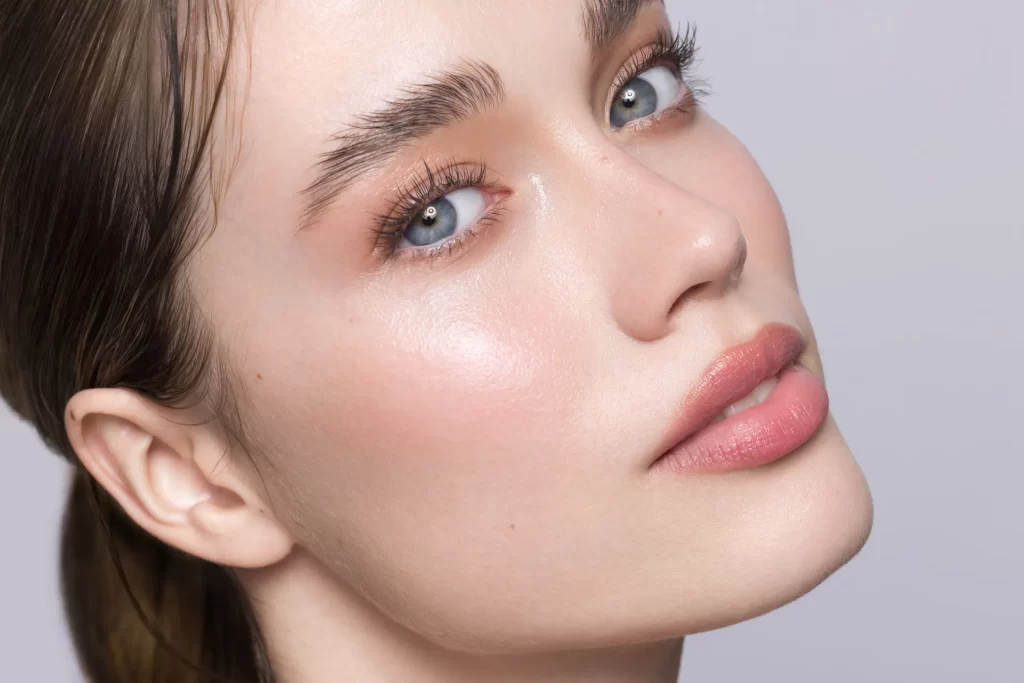
Who doesn’t want to enter summer with skin that positively glows? Having effortlessly smooth, toned, and radiant skin is the first step to a “slay all day” mindset. So, if you are ready for envy worthy skin, then make sure you follow our hot girl (and guy) summer skincare routine equipped with the best products in the game. It’s all the rage these days, no matter your age. The KING of skincare is RETINOIDS. Now, before you skip down the page saying your skin is too sensitive or doesn’t tolerate this type of product, hear me out.  Retinoids are the #1 anti-aging skincare product for a reason. This product combats fine lines and wrinkles, improves skin texture and tone, and aids in long-term anti-aging. By accelerating the turnover and renewal cycle of your skin, dull and dead skin cells are quickly removed leaving you with a substantially more rejuvenated appearance. All retinoid products should be used at NIGHT and can be followed by a moisturizer application if needed. But, what if I have sensitive skin? It is not uncommon for certain types of retinoid products to cause irritation, flaking, and sensitivity. If this is you—there are two options. You can either start slow using the product every other evening to build-up your skin tolerance, OR try out our favorite “gentle on the skin, but powerful on the result” retinoid cream– SkinBetter Science’s AlphaRet Overnight Cream. Their unique technology harnesses the power and effectiveness of retinoids while completely avoiding the sensitivity and “retinoid uglies” phase. For those who suffer from acne, a word to the wise. Starting a retinoid may temporarily “make acne worse” as the product purges the skin to rid itself of bacteria and debris. Give it a full 6-8 weeks of consistent use, and it will be worth the wait. The QUEEN of skincare is Vitamin C. This amazing product should be used on a daily basis to combat and prevent DNA damage from sun exposure and environmental elements. It is packed with anti-aging nutrients and antioxidants, which are great for bringing out the vibrancy of your skin. One thing to remember is that the active ingredients in Vitamin C products are very reactive when exposed to the environment and changes in temperature. So, be sure to use a product stored in an air-tight, opaque-colored bottle at room temperature. If retinoid is king and Vitamin C is queen, then SPF is everyone’s knight in shining armour. Sunscreen is essential to healthy skin. We recommend daily use of a mineral-based product that has an SPF of at least 30 as well as diligent reapplication every 90 minutes. Yes, reapplication is the key to protecting your skin and becoming your most radiant self. Do NOT wait until you’re at the beach to apply sunscreen! Finally, remember to lather it on your ears as this is a hot spot of skin cancer. Take The Next Step – Request A Consultation When it comes to your face, there is no reason to compromise on quality. Dr. Victoria Givens is a highly respected facial plastic surgeon in Austin, Texas, with a practice that keeps the top skincare products in stock. A consultation with our office is required to create a comprehensive, customized approach for your aesthetic goals. What are you waiting on? Get in touch with Givens Facial Plastic Surgery today! Contact Us

The Ultimate Guide To Glowing Skin Read More »
Heavy Earrings Not Holding Up? Here’s The Solution!

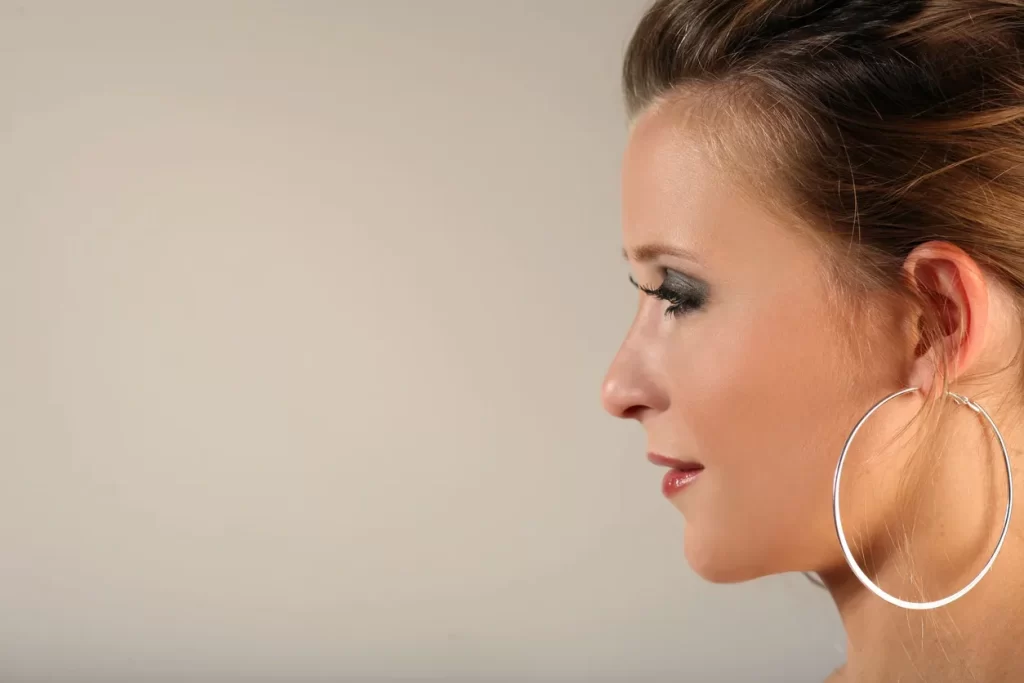
Are your beloved statement earrings causing your earlobes to lose their perkiness and elasticity? The weight of those stunning accessories may be taking a toll on your lobes, leaving them sagging and stretched out. But fear not, jewelry enthusiasts! There’s good news on the horizon. Discover the secret to restoring your earlobes and embracing your favorite earrings once again, free from worries. Say goodbye to frustration and hello to flawless earlobe restoration. Revive Your Earlobes. Restore Confidence. Earlobe Filler: If you’re looking for a non-surgical option to restore your earlobes, earlobe filler could be just what you need. This quick and painless procedure involves injecting hyaluronic acid filler into your earlobes, providing them with more support and a plump appearance. The results typically last for several months to a year, but keep in mind that earlobe filler is a temporary solution. To maintain the results, you’ll need to repeat the procedure periodically. However, while earlobe filler is an excellent option for many, it’s not a one-size-fits-all solution, and there are some situations where it may not be the ideal choice. Earlobe Repair: Looking for a more permanent solution to restore your earlobes? Earlobe repair or restoration may be the answer you’ve been searching for. This procedure involves removing the stretched-out or sagging section of the earlobe and then suturing the remaining tissue back together. Typically performed in the surgeon’s office under local anesthesia, the recovery time is quick. However, it’s crucial to choose a qualified and experienced plastic surgeon like Dr. Victoria Givens to perform the procedure, as the results heavily rely on the surgeon’s expertise. With the right surgeon and a successful procedure, earlobe repair or restoration can offer a long-term solution to your sagging earlobe woes. Earlobe Piercing: If you’re considering earlobe restoration, it’s important to give your earlobes time to heal after the procedure before wearing heavy earrings again. However, the good news is that after the initial procedure, the earlobes can be repierced relatively quickly. So, once your earlobes have fully healed, get ready to showcase your favorite accessories with style and confidence once again! Don’t forget about these 5 Preventative Measures Don’t wait for your earlobes to sag or stretch out before taking action! In addition to earlobe restoration procedures, there are preventative measures you can adopt to maintain their youthful appearance. Here are some tips to keep your earlobes looking fabulous: Minimize wearing heavy earrings for extended periods. Give your earlobes a break from earrings to allow them to rest and rejuvenate. Opt for earrings with wider backs or screw-on backs for better weight distribution. Embrace lighter-weight earrings crafted from materials like plastic or lightweight metals. Exercise caution when around children to avoid accidental tugs on your earrings.  By implementing these strategies, you can ensure your earlobes stay perky and beautiful for years to come! So, dear earring aficionados, fear not! Your sagging earlobe struggles have met their match. With a range of restoration options and clever preventative measures at your disposal, your earlobes will be back in the game. But remember, it’s always best to seek the guidance of a qualified professional who can tailor the best solution for you. Embrace the freedom of flaunting your favorite earrings with confidence and let your earlobes steal the show once again. Cheers to perky, stylish lobes that will make heads turn! Take The Next Step – Request A Consultation When it comes to your face, there is no reason to compromise on quality. Dr. Victoria Givens is a highly respected facial plastic surgeon in Austin, Texas, with a practice that keeps the top skincare products in stock. A consultation with our office is required to create a comprehensive, customized approach for your aesthetic goals. What are you waiting on? Get in touch with Givens Facial Plastic Surgery today! Schedule a Consultation

Heavy Earrings Not Holding Up? Here’s The Solution! Read More »

Can Eyelid Surgery Help Dry Eyes?

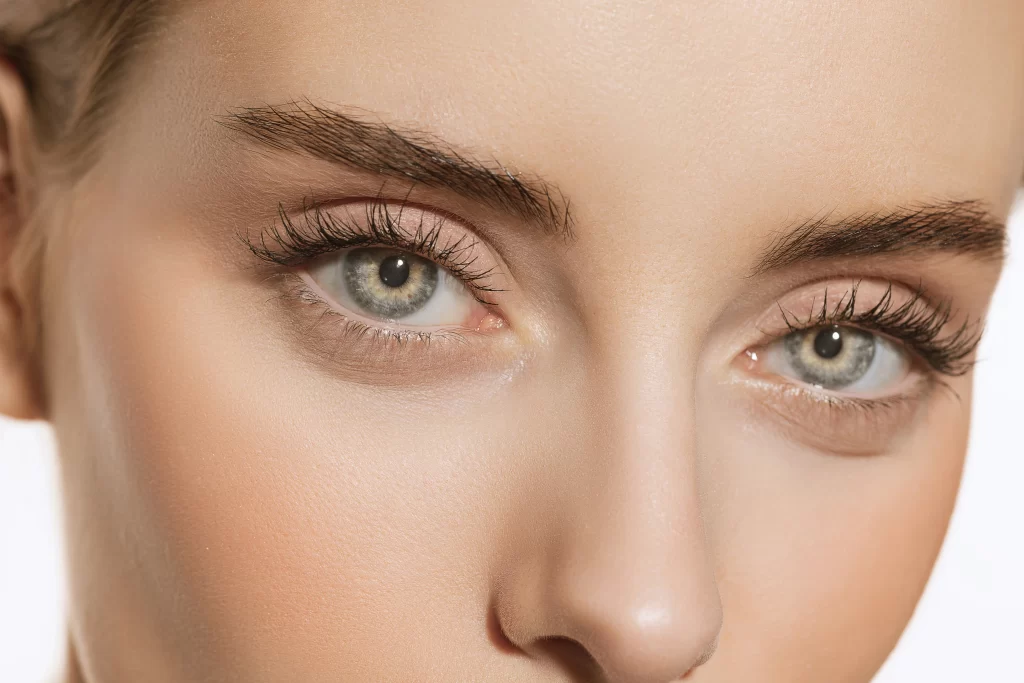
Eyelid surgery, or blepharoplasty, is a treatment that removes excess tissue from the eyelids to give a patient’s eyes a rejuvenated look. In recent years, studies have found that the procedure may also have benefits for patients who suffer from dry eye.  Dry eye syndrome is a condition in which tear production in the eyes is low or the tears evaporate at a faster than usual rate. This can cause discomfort, irritation, and even vision problems. While there are various treatments available to address dry eye, such as eye drops and prescription medications, some patients find no relief from them. As a result, these individuals turn to eyelid surgery as a potential solution to their dry eyes. What is Dry Eye? Dry eye syndrome is defined as a lack of tear production in the eyes, leading to irritation and other issues. Tears are essential for good eye health, as they keep the surface of the eyes moist and lubricated, protect against infection, and help to clear away debris. When the surface of the eye is devoid of moisture, it can lead to discomfort, irritation, and even damage to the eye. Dry eye syndrome is separated into two categories: evaporative dry eye and aqueous tear-deficient dry eye. Aqueous tear-deficient dry eye is defined as insufficient tear production, while evaporative dry eye is when the tears evaporate at a fast rate, which is the result of issues within the oil glands of the eyelids. Some common causes of dry eye include aging, hormonal changes, medications, environmental factors, and certain medical conditions such as rheumatoid arthritis, Sjögren’s syndrome, and diabetes. Symptoms of dry eye can include dryness, itching, burning, redness, sensitivity to light, and blurred vision. Treatment for dry eye typically involves using artificial tears or other lubricating eye drops, as well as addressing any underlying causes. In some cases, surgery may be recommended to help improve the production or quality of tears. Causes of Dry Eye There are various causes of dry eye, and some of the most common ones are discussed below. The aging process As we get older, our eyes produce fewer tears, which can lead to dry eye syndrome for some individuals. This is simply due to the fact that the glands responsible for tear production become less efficient over time. It should be noted that women are more likely to develop dry eye as a result of hormonal changes that happen during menopause. Environmental Factors Environmental factors can also cause the tears to evaporate faster than normal, leading to dry eye. Some of these environmental factors include wind, smoke, and dry air. Individuals who use computer/digital screens excessively may also develop the condition, as they blink less frequently. Medical conditions Certain medical conditions can cause dry eye, including rheumatoid arthritis, Sjogren’s syndrome, and thyroid disorders. Medications such as antihistamines, decongestants, and antidepressants can sometimes cause dry eye as a side effect.  Eye surgery LASIK and other types of eye surgery can result in temporary cases of dry eye. The surgery can affect the nerves that control tear production, leading to reduced tear production. Wearing contact lenses Wearing contact lenses can also cause the condition, particularly when they are worn for long stretches of time. This is because the lenses cause tears to evaporate more quickly, resulting in dry eye. Understanding the underlying cause of one’s dry eye condition is essential in determining the appropriate treatment. Eyelid Surgery for Dry Eye Relief During eyelid surgery, excess tissue is removed and sagging skin is tightened. This is done to improve tear duct function, restoring moisture to the eyes. The surgery can also majorly reduce inflammation around the eyes, reversing effects such as dryness and discomfort. It is an effective option for those who have tried other treatments and seen little to no improvement. What is the Takeaway? While eyelid surgery can address dry eye syndrome, it is not suitable for everyone. Patients who are dealing with more severe forms of dry eye syndrome may not be considered good candidates for the procedure. Patients with certain medical conditions will need to be evaluated on a case-by-case basis. Individuals considering eyelid surgery are recommended to consult with an experienced practitioner, such as Dr. Victoria Givens, prior to going forward with the treatment. At Givens Facial Plastic Surgery, your initial consultation plays a crucial role in assessing your candidacy for eyelid surgery and determining the feasibility of achieving your desired aesthetic goals. We invite you to contact us today and schedule a consultation dedicated to exploring the possibilities of eyelid surgery. Schedule a Consultation

Can Eyelid Surgery Help Dry Eyes? Read More »

Is Eyelid Surgery Painful?

Blepharoplasty, commonly referred to as eyelid surgery, is a cosmetic intervention aimed at revitalizing the aesthetics of the eyes by addressing sagging eyelids and the presence of under-eye bags. One of the most common concerns among individuals considering this procedure is whether eyelid surgery is painful. Let’s delve into the myths and realities surrounding the pain associated with eyelid surgery to provide you with a clear understanding of what to expect. Dr. Victoria Givens has years of experience in providing her patients with the highest quality eyelid surgery available. Patients looking to treat their eyelid issues and achieve their aesthetic goals can depend on the team at Givens Facial Plastic Surgery to guide them on their journey. Myth: Eyelid surgery is excruciatingly painful The perception of pain varies greatly from person to person, and it’s common for individuals to assume that surgical procedures, including eyelid surgery, will be overwhelmingly painful. However, the reality is that advances in medical technology, anesthesia techniques, and postoperative care have significantly minimized the discomfort associated with cosmetic surgeries. Reality: Discomfort, not extreme pain The truth is that most patients describe the discomfort following eyelid surgery as manageable rather than unbearable pain. Ensuring patient comfort is a top priority for surgeons. They frequently employ a combination of local anesthesia, sedation, or general anesthesia to guarantee a comfortable experience throughout the procedure. This results in you being in a state of deep relaxation or asleep during the surgery, effectively minimizing the possibility of experiencing pain. Pain Management Strategies After the surgery, some level of discomfort or tightness around the eyes is to be expected. However, your surgeon will provide you with pain management strategies, which may include prescription pain medication or over-the-counter pain relievers. Utilizing cold compresses and maintaining an elevated head position can aid in diminishing swelling and easing any discomfort. Factors Influencing Pain Perception Several factors influence how an individual perceives pain after eyelid surgery: Individual Pain Threshold Everyone’s pain tolerance varies. What might be uncomfortable for one person may be bearable for another. Surgical Technique The specific technique used during the surgery can impact the level of discomfort. Your surgeon will discuss the approach with you, providing insights into the potential postoperative sensations. Personalized Aftercare Proper aftercare, including adherence to your surgeon’s instructions, can significantly affect your comfort level during recovery. Combination Procedures If eyelid surgery is performed alongside other procedures, your pain experience may be influenced by the combination of surgeries. Understanding the Recovery Process Eyelid surgery recovery typically involves temporary swelling, bruising, and discomfort, which are all part of the body’s natural healing process. The initial discomfort tends to subside within the first week, and you’ll gradually notice improvement as your eyes heal and the swelling diminishes. Benefits Outweigh Discomfort It’s important to remember that while some level of discomfort is to be expected during the recovery phase, the benefits of eyelid surgery often outweigh the temporary discomfort. The procedure can dramatically enhance your appearance, making you look more refreshed, youthful, and rejuvenated. Consultation and Open Communication To get a better understanding of what to expect in terms of discomfort during and after eyelid surgery, it’s crucial to have an open and honest consultation with a board-certified plastic surgeon. They will discuss the entire procedure, including pain management strategies, so you can make an informed decision that aligns with your comfort level and aesthetic goals. What is the Takeaway? Is eyelid surgery painful? While discomfort is a natural part of the recovery process, modern surgical techniques and pain management strategies have significantly reduced the level of pain associated with eyelid surgery. With proper aftercare and communication with Dr. Givens, you can confidently embark on your journey to achieving more youthful and refreshed eyes without the fear of extreme pain. Remember, the rewards of improved confidence and a revitalized appearance often far outweigh any temporary discomfort. Dr. Victoria Givens has a proven track record of success. She has helped countless patients address their cosmetic issues and attain the look of their dreams. Contact us to set up a private consultation today.  Schedule a Consultation

Is Eyelid Surgery Painful? Read More »

Can Blepharoplasty Change Your Eye Shape?

Your eyes are often called the windows to your soul and play a significant role in defining your facial appearance. The delicate skin around our eyes may begin to sag as we age, creating a tired or aged appearance. This is where blepharoplasty, commonly known as eyelid surgery, comes into play. But can blepharoplasty change your eye shape? In this blog, Dr. Victoria Givens of Givens Facial Plastic Surgery will delve into this intriguing question and provide insights into the transformative power of this remarkable procedure. Understanding Blepharoplasty Blepharoplasty is a surgical procedure designed to rejuvenate the appearance of the eyelids by removing excess skin, fat, and muscle. It’s a highly customizable procedure, and its primary goal is to refresh and restore a youthful, alert, and natural look to the eyes. While blepharoplasty can address issues like puffiness, droopiness, and wrinkles around the eyes, it’s essential to understand that its primary purpose is not to change the fundamental shape of your eyes. Maintaining Your Natural Eye Shape One of the critical principles of facial plastic surgery, including blepharoplasty, is to enhance your natural beauty while preserving your unique features. Dr. Givens is dedicated to ensuring that your eyes remain in harmony with the rest of your facial features. This means that blepharoplasty aims not to change the shape of your eyes but to restore them to a more youthful and refreshed appearance. Transforming Your Look While blepharoplasty doesn’t alter the basic shape of your eyes, it can have a transformative effect on your overall appearance. Removing excess skin and fat from the upper and lower eyelids can make your eyes appear more open, alert, and youthful. This can give the illusion of brighter and larger eyes without changing their inherent shape. Customization is Key Every individual’s facial anatomy is unique, and what works for one person may not be suitable for another. Dr. Givens understands this and tailors each blepharoplasty procedure to the specific needs and desires of the patient. Whether you wish to address sagging upper eyelids, under-eye bags, or both, the procedure is highly customizable to achieve your aesthetic goals while maintaining your natural eye shape. Aging and Eye Shape It’s essential to note that as we age, our eye shape can appear to change due to various factors, including sagging skin and loss of elasticity. Blepharoplasty can reverse some age-related changes, helping you look more like your youthful self. However, it doesn’t actually change the fundamental shape of your eyes, which remains a constant feature. The Power of a Skilled Surgeon To achieve the best results and maintain your natural eye shape, it’s crucial to choose a skilled and experienced facial plastic surgeon like Dr. Givens. A highly trained surgeon will understand the intricacies of the eyelid anatomy and have an artistic eye for balance and harmony in facial aesthetics. Dr. Givens combines these skills to provide patients with rejuvenated and natural results. If you’re considering blepharoplasty or have any questions about the procedure, schedule a consultation with Dr. Givens to discuss your goals and explore how this remarkable surgery can help you achieve a more vibrant, youthful, and refreshed appearance. Your eyes will still be unmistakably yours, but they’ll shine brighter than ever. Contact us today to learn more! Schedule a Consultation

Can Blepharoplasty Change Your Eye Shape? Read More »

How Long Does A Rhinoplasty Take To Heal?

If you’re considering rhinoplasty, also known as a nose job, you may have many questions about the procedure and its recovery. One of the most common questions patients ask Dr. Victoria Givens is, “How long does a rhinoplasty take to heal?” It’s a valid concern because understanding the healing process is essential for setting realistic expectations and planning your recovery journey. In this blog post, we’ll guide you through the various stages of rhinoplasty recovery. The First Days: Immediate Post-Op You will likely experience discomfort, swelling, and bruising in the first few days following your rhinoplasty surgery. This is entirely normal and is part of the body’s natural response to surgery. Dr. Givens often advises her patients to: Take it easy during this time Get plenty of rest Follow her post-operative care instructions diligently Your nose will be bandaged, and you may have a splint or cast over it to protect and support the newly reshaped structure. These items may feel uncomfortable, but they are crucial for proper healing. Prescribed pain medication can help manage any discomfort you may experience. The First Few Weeks: Early Recovery During the first few weeks of recovery, you will gradually start to see improvements in your appearance. Swelling and bruising will begin to subside, and you may notice subtle changes in the shape of your nose. However, it’s essential to be patient during this phase, as the full results can take several weeks to become apparent. Dr. Givens recommends that her patients: Avoid strenuous activities, such as heavy lifting and vigorous exercise, for at least two weeks following rhinoplasty Avoid any activities that could risk injuring the nose during this time Be gentle when washing your face Avoid blowing your nose too forcefully One Month In: Continued Progress Around the one-month mark, most patients are well on their way to recovery. Most swelling and bruising should have subsided, and you’ll start to notice a more refined and balanced appearance to your nose. However, it’s important to note that some minor swelling may persist for several months, especially at the tip of the nose. At this stage, patients are typically cleared to return to their regular activities, including exercise. Dr. Givens will provide specific guidelines based on your progress and individual circumstances. Three to Six Months: Long-Term Healing As you approach the three to six-month mark, the final results of your rhinoplasty should become increasingly evident. Any residual swelling should continue to dissipate, and you’ll be able to appreciate the refined shape and symmetry of your nose fully. It’s essential to remember that healing is a gradual process, and everyone’s body is unique. Some minor fluctuations in swelling may occur, especially in response to environmental factors or certain foods. Dr. Givens will continue to monitor your progress during follow-up appointments and provide guidance as needed. Experience Excellence in Rhinoplasty With Givens Facial Plastic Surgery While the timeline for rhinoplasty recovery varies from person to person, understanding the general stages of healing can help you manage your expectations and plan your post-operative care effectively. Dr. Victoria Givens emphasizes the importance of following her post-operative instructions and attending all scheduled follow-up appointments to ensure a smooth and successful recovery. Remember that patience is critical if you’re considering rhinoplasty or have recently undergone the procedure. While the initial healing phase may involve discomfort and swelling, the long-term results are well worth waiting. Dr. Givens and her experienced team at Givens Facial Plastic Surgery are here to support you every step on your journey to a more confident and beautiful you. Contact us today to learn more! Schedule a Consultation

How Long Does A Rhinoplasty Take To Heal? Read More »

Can A Facelift Change Your Earlobes?

When rejuvenating your appearance, a facelift is often one of the first procedures that comes to mind. This surgical technique has been a go-to choice for individuals looking to turn back the clock and regain a more youthful look. However, one aspect of the facelift procedure that is often overlooked is its potential impact on the earlobes. The Facelift Procedure Before we dive into the specifics of earlobe appearance after a facelift, let’s briefly go over what a facelift entails. A facelift, or rhytidectomy, is a surgical procedure designed to address the signs of aging in the face and neck. It involves: Removing excess skin Tightening underlying facial muscles Repositioning facial tissues to create a smoother, more youthful appearance The typical facelift procedure focuses on the lower two-thirds of the face, including the jawline, cheeks, and neck. While it can provide remarkable results in rejuvenating these areas, it doesn’t directly target the earlobes. Earlobes and Facelifts: What’s the Connection? So, how do earlobes come into the picture when discussing facelifts? The answer lies in the natural aging process and the changes in our facial anatomy over time. The skin loses its elasticity as we age, and other facial structures can also be affected. The earlobes, although a small part of the face, are not immune to these changes. Over the years, they may become elongated or stretched, losing their youthful shape and firmness. While a facelift primarily addresses sagging skin and tissues in the lower face and neck, the procedure can indirectly impact the earlobes. During a facelift, the skin and underlying tissues are repositioned and tightened to achieve a youthful appearance. This comprehensive rejuvenation can result in a slight lifting or improvement in the appearance of the earlobes. While a facelift won’t specifically target the earlobes, patients may notice that their earlobes appear more uplifted and youthful after the surgery. Earlobe Repair and Enhancement While a facelift can indirectly improve the appearance of the earlobes, it’s important to remember that specific earlobe concerns may require dedicated procedures tailored to address them. For those seeking a more customized approach to earlobe enhancement, procedures like earlobe reduction surgery can provide transformative results. This minimally invasive option is performed in-office, boasts minimal downtime for recovery, and leaves virtually no visible scarring. It’s an ideal choice for individuals looking to resize and reshape their earlobes, framing their faces beautifully and restoring balance to their overall appearance. Some common issues that earlobe reduction surgery can effectively address include: Torn or elongated earlobes Sagging earlobes Uneven or asymmetrical earlobes Givens Facial Plastic Surgery Is Here To Help Whether you’re considering a facelift to breathe new life into your lower face or have specific earlobe concerns, Dr. Victoria Givens is your trusted guide. With her expertise, you can confidently navigate the options available to achieve your desired look. Our commitment to your individuality shines through in our comprehensive consultations. Dr. Givens and her team at Givens Facial Plastic Surgery are here to listen, understand, and craft personalized treatment plans that align with your desires. Let Dr. Givens sculpt and transform your earlobes, enhancing your overall appearance and self-assurance. Your journey to enhanced natural beauty starts here – schedule your consultation today! Schedule a Consultation

Can A Facelift Change Your Earlobes? Read More »

How Long Does A Neck Lift Last?

The neck lift procedure is a well-recognized cosmetic intervention crafted to revive the look of both the neck and jawline. It aims to bring back youthful contours and target visible signs of aging. One of the common questions that individuals considering this procedure have is: “How long does a neck lift last?”  Dr. Victoria Givens has been providing the Greater Austin Area with some of the best and most innovative cosmetic procedures available. Read on to learn about the factors that influence the longevity of a neck lift and gain a comprehensive understanding of the results you can expect. Understanding the Neck Lift Procedure Before delving into the longevity of a neck lift, it’s essential to grasp the basics of the procedure. During a neck lift, surplus skin is eliminated, while the muscles and tissues beneath the neck and jaw region are tightened. This process culminates in a neck profile that is smoother, more taut, and exudes a youthful appearance. Frequently, the procedure is combined with other facial rejuvenation methods to attain outcomes that seamlessly complement each other. Factors Influencing the Longevity Several factors play a role in determining how long the results of a neck lift will last: Age: The age at which the neck lift is performed can impact its longevity. Younger patients with better skin elasticity may experience longer-lasting results. Genetics: A patient’s genetics play a crucial role in how your skin ages. If your family tends to show signs of aging in the neck area early on, the results may not last as long. Lifestyle Habits: Your lifestyle habits, including sun exposure, smoking, and skincare regimen, can significantly affect how long the results of a neck lift endure. Protecting your skin from the sun and adopting a healthy lifestyle can contribute to prolonged results. Skin Quality: The quality of your skin, including its elasticity and texture, can influence the longevity of the results. If your skin is already severely lax or damaged, the effects may not last as long. Weight Fluctuations: Significant weight fluctuations can impact the results of a neck lift. Sustaining a consistent weight can aid in maintaining the results of the procedure. Expected Duration of Results While the exact duration of a neck lift’s results varies from person to person, the effects typically last around 10 to 15 years. However, it’s important to note that the aging process will continue naturally. Over time, factors like gravity, lifestyle, and genetics will still influence your neck’s appearance. Maintaining Your Results Although a neck lift can provide long-lasting results, proactive maintenance can extend the outcome’s longevity: Skincare Routine: Adopt a consistent skincare routine that includes sun protection, moisturization, and anti-aging products. This can help support the health and elasticity of your skin. Healthy Lifestyle: Eat a balanced diet, exercise regularly, and avoid smoking to promote overall well-being, which reflects positively on your skin’s condition. Minimally Invasive Treatments: Non-surgical treatments like dermal fillers, Botox, and laser therapies can complement your neck lift results and help maintain their longevity. What is the Takeaway? “How long does a neck lift last?” The answer hinges on several factors, including age, genetics, lifestyle, and skin quality. While the results can typically last around 10 to 15 years, proactive care and maintaining a healthy lifestyle can contribute to preserving the rejuvenated appearance of your neck and jawline. Consulting a skilled plastic surgeon and setting realistic expectations are vital steps in achieving satisfying and enduring results from a neck lift. At Givens Facial Plastic Surgery, we prioritize our patients’ peace of mind and aesthetic goals. Dr. Victoria Givens leaves no stone unturned in her efforts to attain your aesthetic ideals. Contact us today to learn more about your options for neck lift surgery.  Schedule a Consultation

How Long Does A Neck Lift Last? Read More »

Can A Rhinoplasty Help With Snoring?

While rhinoplasty procedures are often associated with cosmetic improvements, they can also address functional issues related to breathing. As such, these treatments can potentially alleviate cases of snoring. That said, it’s important that patients have an understanding of what causes snoring and how a rhinoplasty can help before going forward with any procedures.  Dr. Victoria Givens performs functional rhinoplasty procedures for her patients that struggle with snoring. She has helped countless individuals overcome their snoring-related issues.  What is Snoring? Snoring is a common issue that impacts billions of individuals all over the world. While it primarily affects more men than women, it can disturb sleep for both genders and often gets worse with age. Furthermore, snoring can disrupt the sleep of partners sharing the same room or bed. Patients who suspect that snoring is contributing to daytime drowsiness should consult with a primary care physician (PCP) who can help diagnose the issue through sleep studies or other methods. What Causes Snoring? Snoring is the result of muscles in the throat relaxing during sleep, which causes the tongue to move backward and the throat walls to vibrate as air passes through narrow airways. In severe cases, the throat walls may collapse, resulting in a condition known as apnea, which requires immediate medical attention. Snoring can be caused by multiple factors, ranging from poor sleep position to nasal issues, such as a deviated septum. How Can Rhinoplasty Help With Snoring? In cases of snoring, especially when it involves a minor deviated septum, functional rhinoplasty can help by adjusting the nasal pathway. This allows patients to breathe easier while asleep. However, this procedure is often referred to as septoplasty, as it primarily focuses on reconstructing the septum to remove any obstructions caused by bone or cartilage. The rhinoplasty component of the procedure readjusts the nose’s structure and airway, ultimately promoting better airflow and a more restful night’s sleep. Dr. Givens utilizes her expertise to carefully remove any blockages in the nasal cavity, allowing the patient to breathe easily through the night.  Can Functional Rhinoplasty Be Combined with Cosmetic Rhinoplasty? In minor cases of persistent snoring, combining functional rhinoplasty with cosmetic rhinoplasty is often encouraged. Addressing snoring issues with a minimally invasive  What is the Takeaway? Whether snoring is caused by a deviated septum, enlarged turbinate, or even a previous nose injury, rhinoplasty typically offers improvement. By considering these factors and working closely with skilled professionals, individuals can make informed decisions about undergoing rhinoplasty to potentially alleviate their snoring issues.  At Givens Facial Plastic Surgery in Austin, TX, Dr. Victoria Givens and her team recognize the numerous benefits that rhinoplasty can offer. Dr. Givens’ goal is to go above and beyond her patients’ expectations by achieving the most aesthetically and functionally pleasing results possible.  Contact us today to set up a private consultation and learn more about what rhinoplasty can do for your snoring issues.  Schedule a Consultation

Can A Rhinoplasty Help With Snoring? Read More »

Where Are Facelift Scars Usually Located?

Facelift procedures can be performed with strategically placed incisions that are carefully hidden or virtually invisible. This approach ensures that any resulting scars are discreet and well-concealed. The comprehensive nature of a facelift allows for simultaneous rejuvenation of the mid and lower face, making it one of the most effective procedures for facial revitalization.  While scars are an inevitable part of surgery, using the right methods ensures that they are easily concealed. Dr. Victoria Givens and the team at Givens Facial Plastic Surgery have years of experience in achieving incredible results with minimal scarring.  Where Do the Scars Develop? To ensure minimal visibility of scars from a facelift, incisions are often made around the temporal hair tuft. This approach allows the surgeon to avoid pulling back the hair tuft, which is a common sign of a facelift. By placing the incision correctly, hair can grow through the scar, effectively concealing it. In the area in front of the ear, the surgeon places the incision behind the tragus for women and in front of the tragus for men. The tragus is the small protrusion over the ear opening. Placing the incision in front of the tragus in men is essential because they often have hair in that area, such as sideburns or a beard. This avoids pulling the hair into the ear or requiring them to shave the inside of their ear canal. In women, it is typically placed behind the tragus creating a seamless transition for hiding a scar. Moving along, the surgeon navigates around the earlobe without altering its position relative to the head. Some patients have detached earlobes, while others have attached earlobes. In either case, it’s important to preserve their natural state. Additionally, a conscious effort is made not to alter the posterior hairline by pulling it back. When all of these considerations are taken into account, the scars from a facelift are significantly camouflaged. Patients can put their hair up in a ponytail or keep it short without having to worry about their scars being apparent. How Long Does it Take for Facelift Scars to Fade? Although facelift scars typically heal well, they may not appear perfect immediately after the procedure. Scars located in front of the ear tend to look good early on, while those behind the ear may take a bit longer to improve. Patients with long hair are advised to wear hairstyles that provide some coverage to the ears for the first month of the recovery process. After this period, the scars will have significantly improved and be difficult to notice. The team at Givens Facial Plastic Surgery will help guide you through the recovery process, ensuring that you look and feel your best.  What is the Takeaway? When a facelift is performed with precision and attention to detail, the goal is to make the signs of the procedure virtually invisible once the scar has fully healed. Practitioners who are well-versed in facelift procedures employ the best techniques possible to ensure that patients walk away with satisfactory results and minimal scarring.  Dr. Victoria Givens has carried out countless facelift procedures, allowing her patients to feel youthful and more confident in themselves. Reach out to us today to schedule a confidential consultation and learn more about our facelift procedures.  Schedule a Consultation

Where Are Facelift Scars Usually Located? Read More »

Scroll to Top